Explore high-capacity modular storage and commercial display solutions tested to ISO 9001 and CE structural standards.
Analyzing structural engineering, modern supply chains, material dynamics, and regional market demands.
The global retail landscape is undergoing a structural paradigm shift. As physical brick-and-mortar stores pivot toward experiential consumer environments, retail fixtures have transitioned from mere storage platforms into integrated visual merchandise engines and smart inventory management hubs. Global retail chains require modular display systems that seamlessly bridge the gap between architectural aesthetic and industrial structural integrity.
Rising raw material costs, stricter environmental compliance across Europe and North America, and the surge in micro-fulfillment centers require retail fixture manufacturers to deliver modular, ultra-durable, and easily reconfigurable racking solutions. Retailers can no longer afford rigid visual merchandising equipment; modular steel-wood hybrids, heavy-duty adjustable gondolas, and automated warehousing racks are now essential components of store profitability.
When enterprise retail chains evaluate global shelf manufacturers, purchasing directors balance structural integrity, total cost of ownership (TCO), and manufacturing agility. Below is an engineering comparison matrix across global manufacturing hubs:
| Evaluation Metric | China (Industry 4.0 Hubs) | North America (Domestic) | Western Europe |
|---|---|---|---|
| Steel Substrate Grade | Q235B / Q345 High-Yield Cold Rolled Steel | ASTM A1008 Standard Sheet Steel | EN 10130 DC01 Structural Steel |
| Manufacturing Automation | High (Robot Welding, Laser Punching, CNC Lines) | Moderate to High (Automated Stamping) | High (Fully Robotic Assembly) |
| Surface Finishing | Electrostatic Thermosetting Epoxy Powder Coating | Standard Powder Coat & Liquid Paint | Eco-Friendly Low-VOC Powder Coating |
| Customization Agility (OEM/ODM) | Extremely High (Rapid Prototyping & Dynamic Tooling) | Moderate (High Tooling Setup Costs) | Moderate (Fixed Modular System Formats) |
| Average Lead Time | 14 – 25 Days (Scalable Volume Output) | 30 – 60 Days (Subject to Backlog) | 40 – 65 Days |
| Total Cost Efficiency | Optimal (30–45% Savings on Bulk Orders) | Higher (Labor & Raw Material Premiums) | Premium Pricing Model |
Inside Chengdu CoreStorage Logistics Equipment Manufacturing Co., Ltd. — Automated Production Engineering and Global Quality Control Compliance.
Chengdu CoreStorage Logistics Equipment Manufacturing Co., Ltd. was founded in 2016. Spanning a comprehensive factory area of 22,000 m², the company generates an annual export revenue of $15,000,000. We bring 6 years of global trade expertise alongside 11 years of specialized industrial rack manufacturing experience.
To ensure maximum load integrity, our quality control procedures adhere to ISO 9001 & CE Structural Safety Standards, utilizing advanced CMM Automated Dimensional & Load Stress Testing. Our Quality Department comprises 28 skilled QC inspectors. Functioning with an Integrated Manufacturer & Global Trading Hub background, our main markets are focused on the Middle East, South America, and Eastern Europe. We actively collaborate with 650 supply chain partners to serve diverse client groups, including cold storage operators, wholesale distribution chains, and automotive assembly facilities.
Driven by Intelligent Modular Racking Design, our innovation team provides flexible custom options such as corrosion-resistant galvanization, tailored column profiles, and adjustable beam heights. Last year, we successfully executed 28 new product releases, empowered by 18 R&D engineers.
Take an inside look at our 22,000 m² modern manufacturing hub equipped with automated robotic systems and precise CNC tooling.
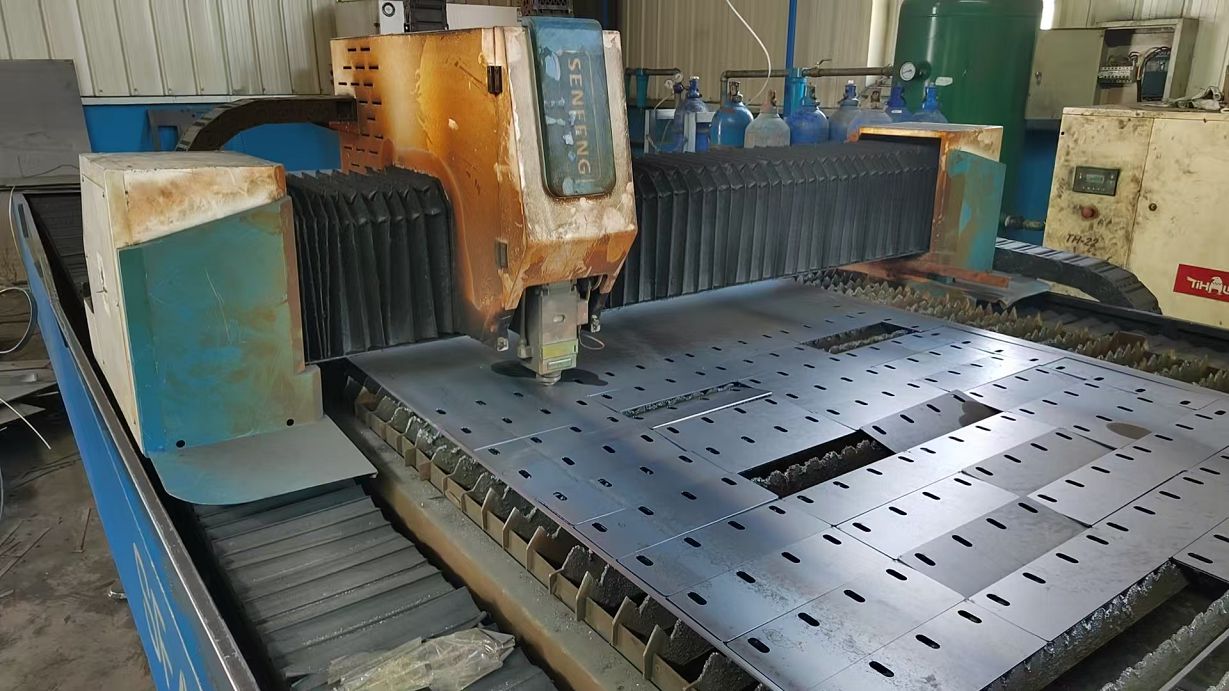
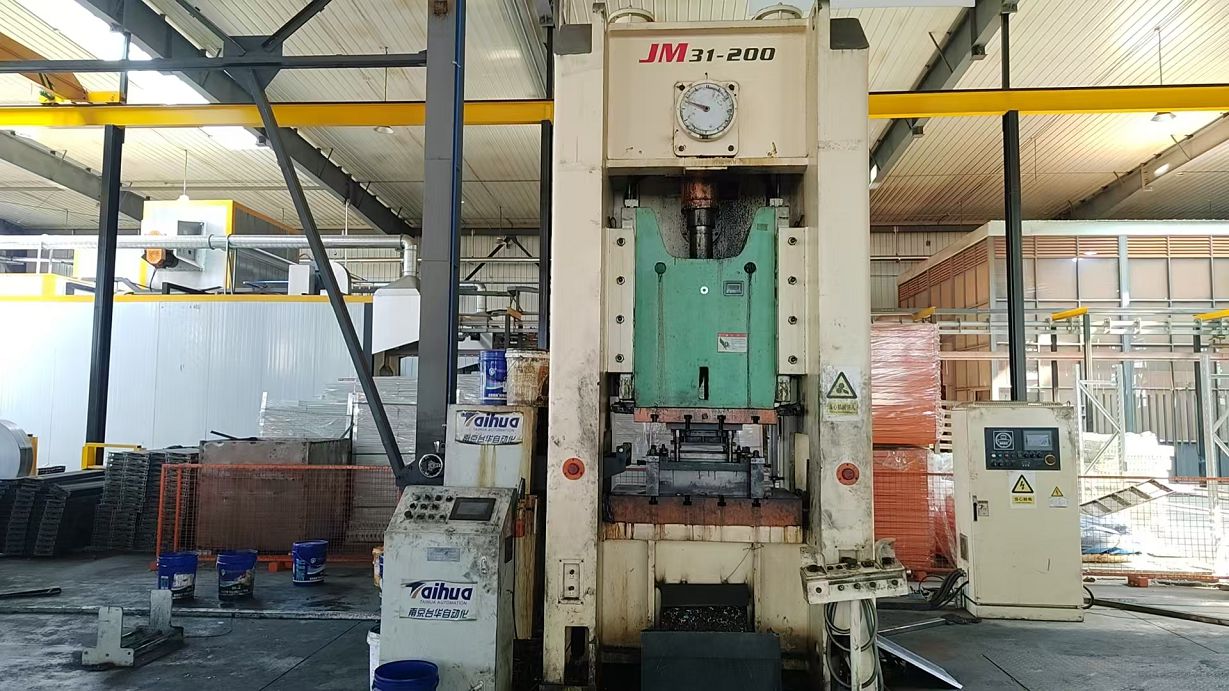
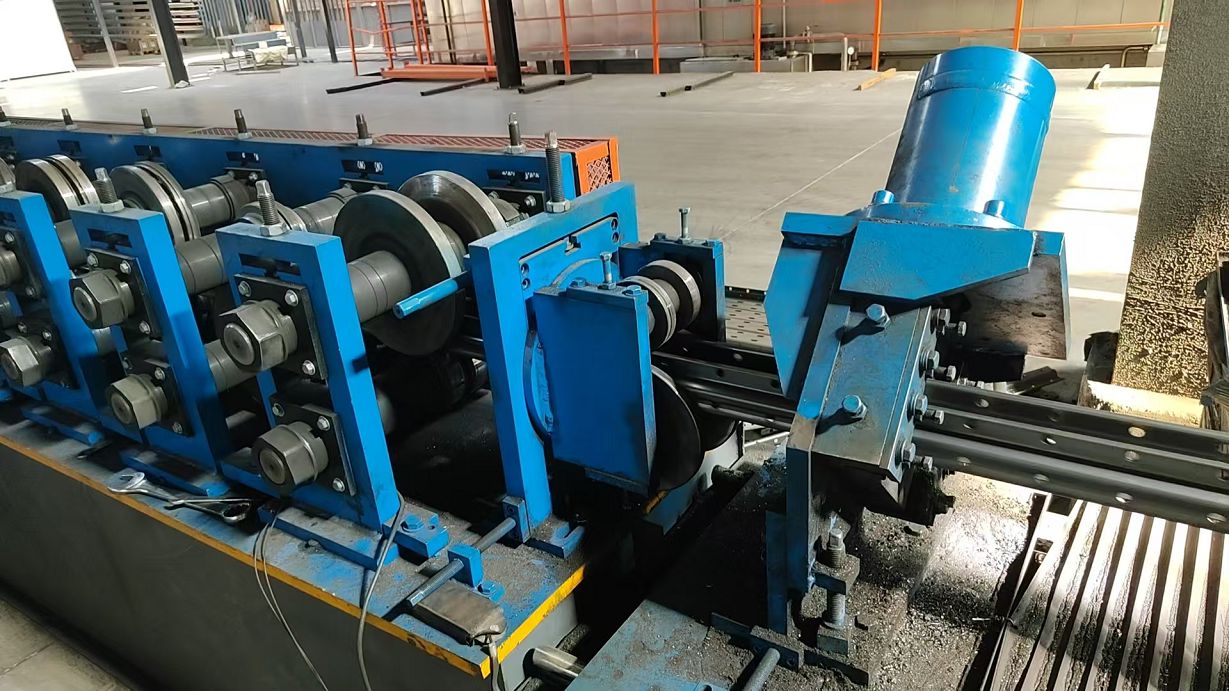
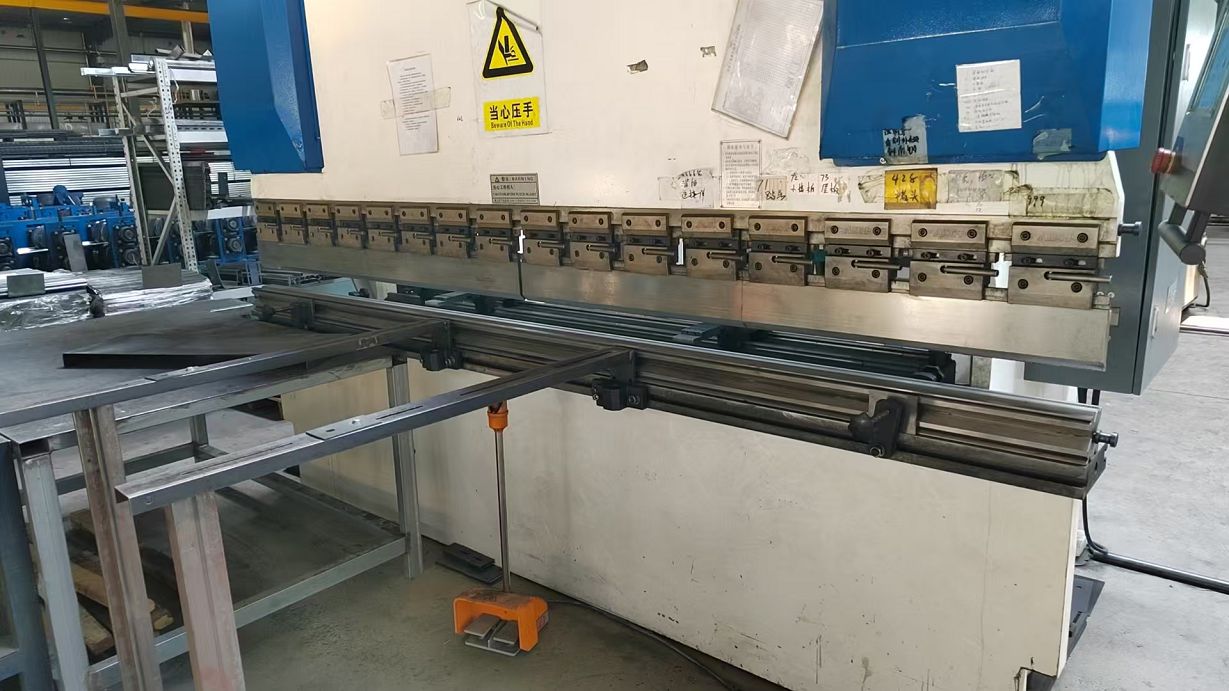
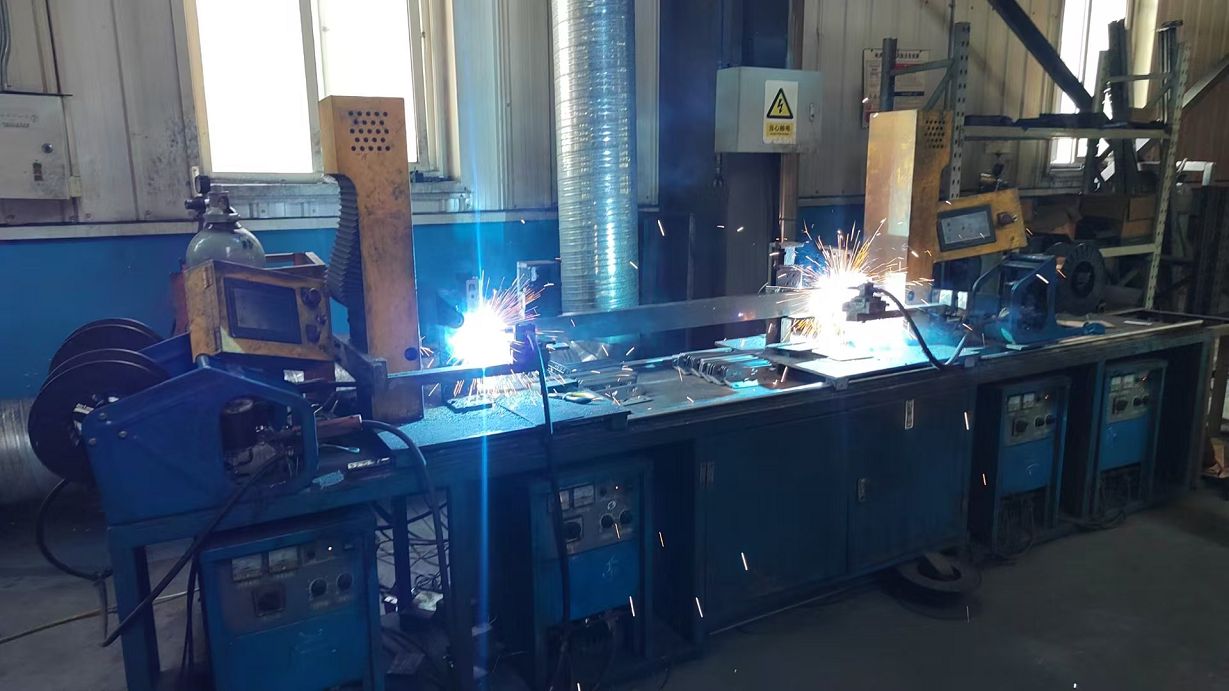
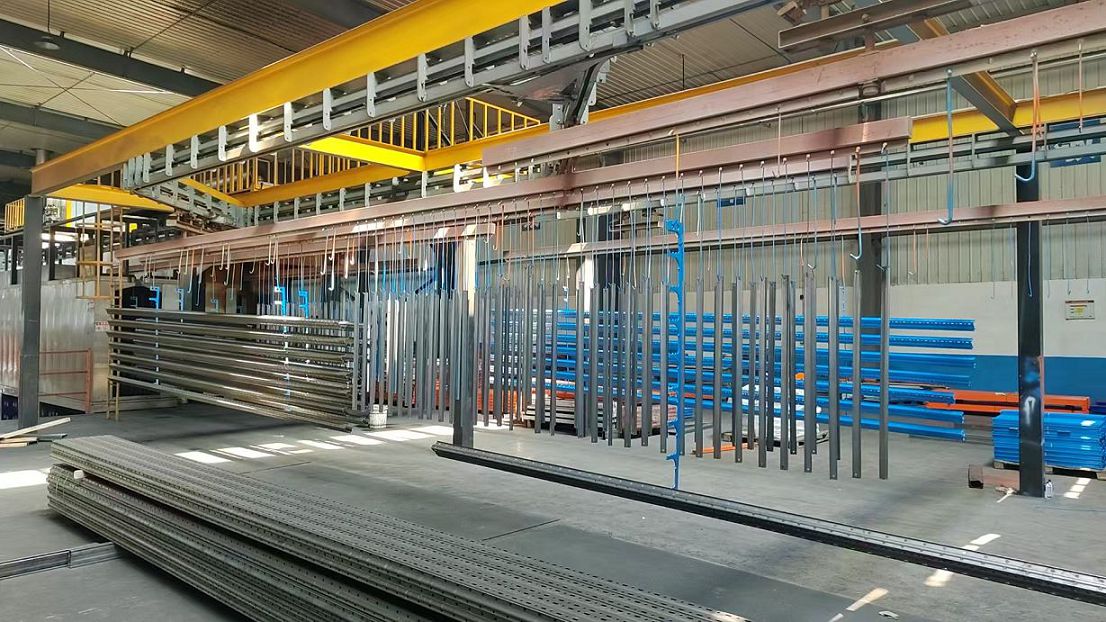
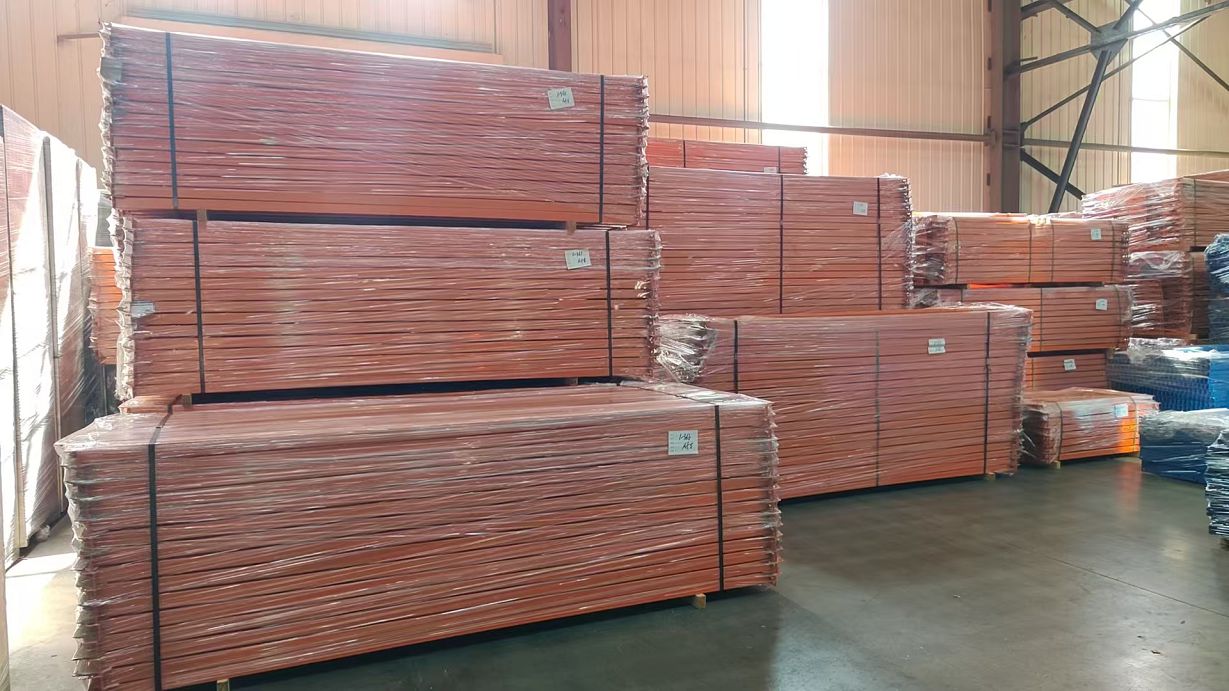
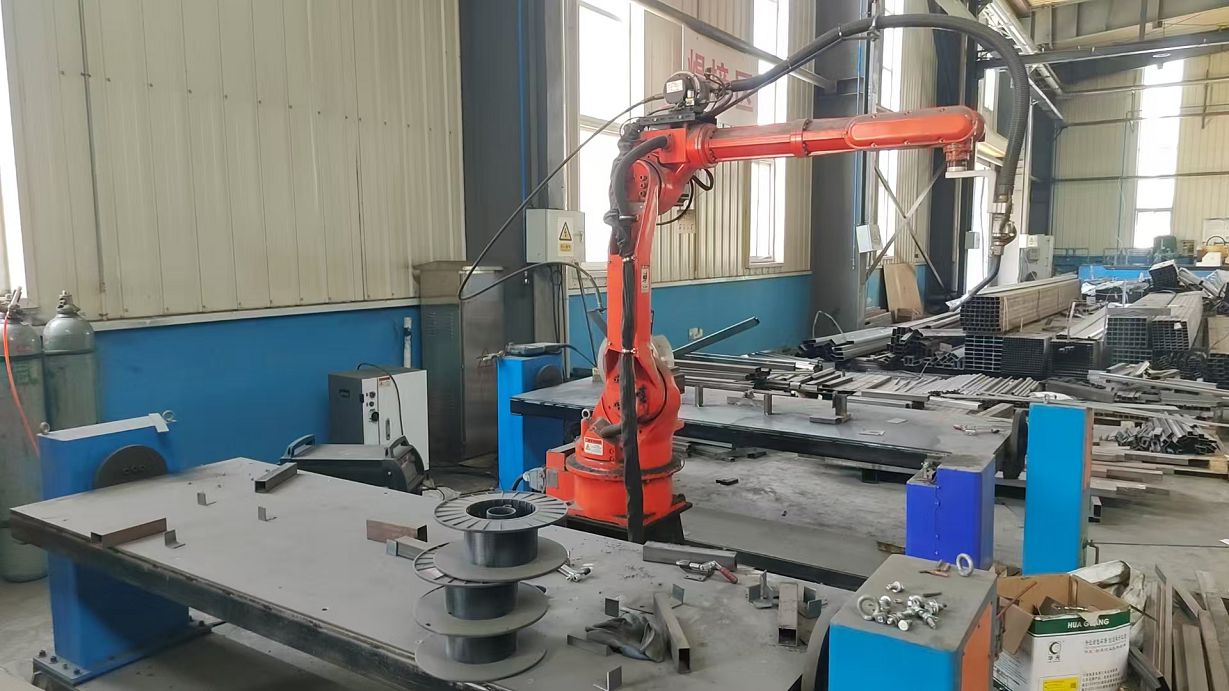
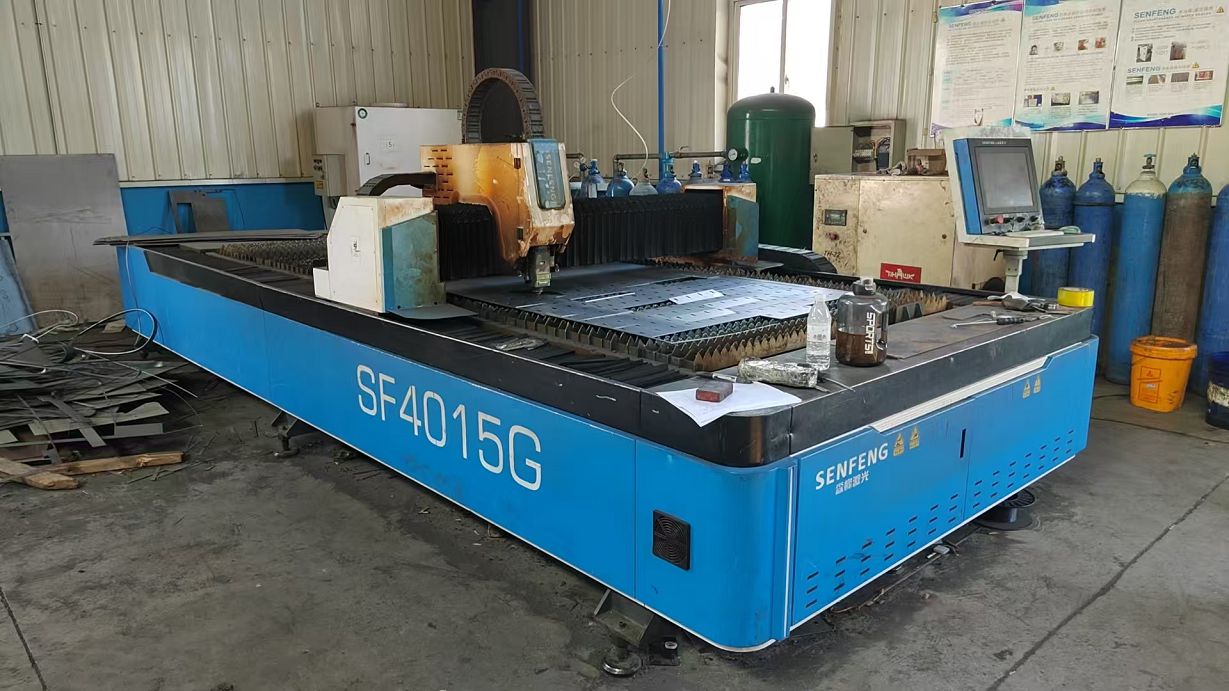
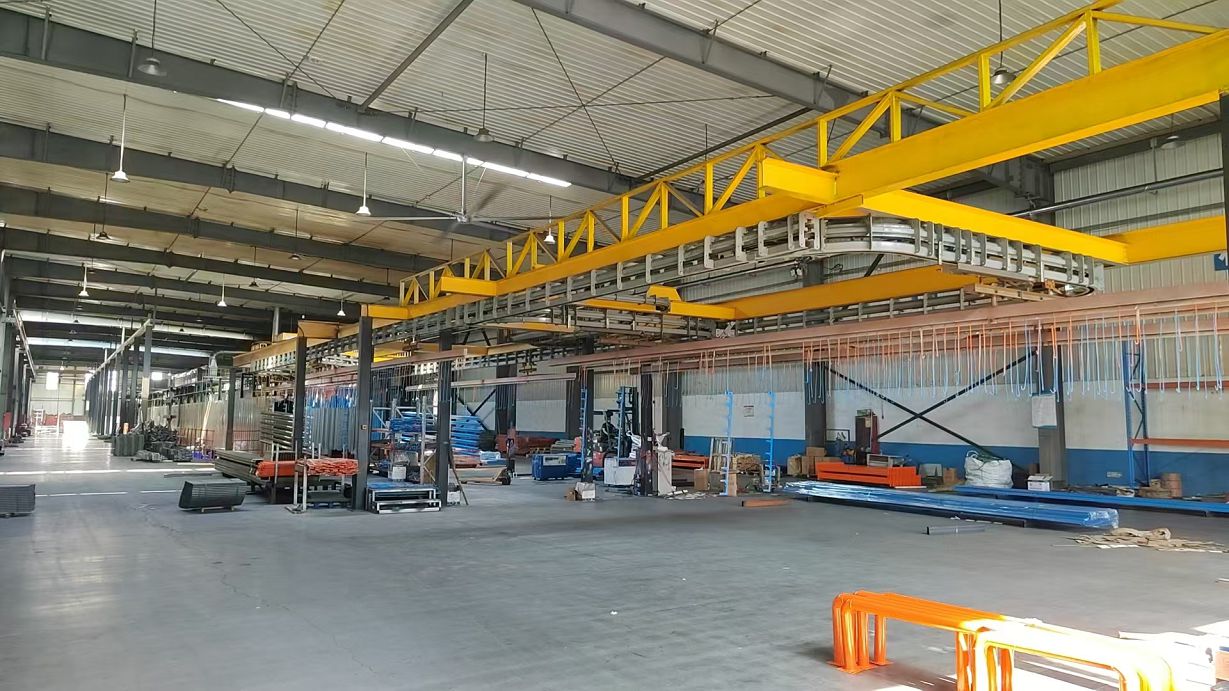
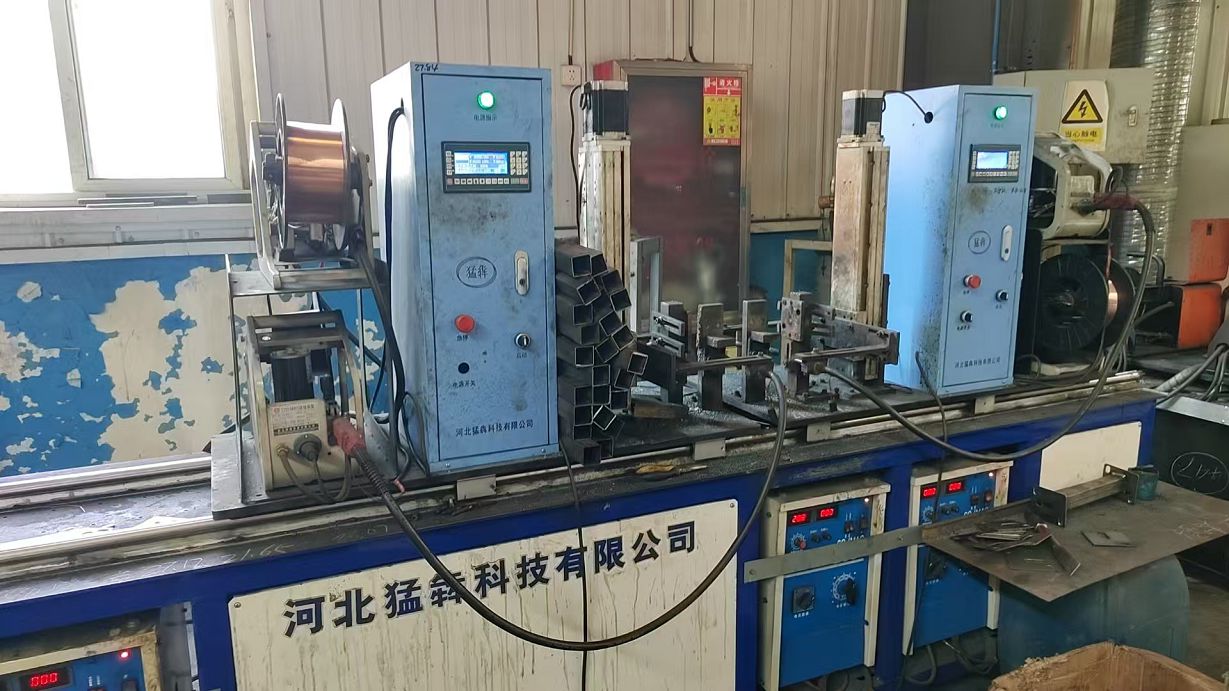
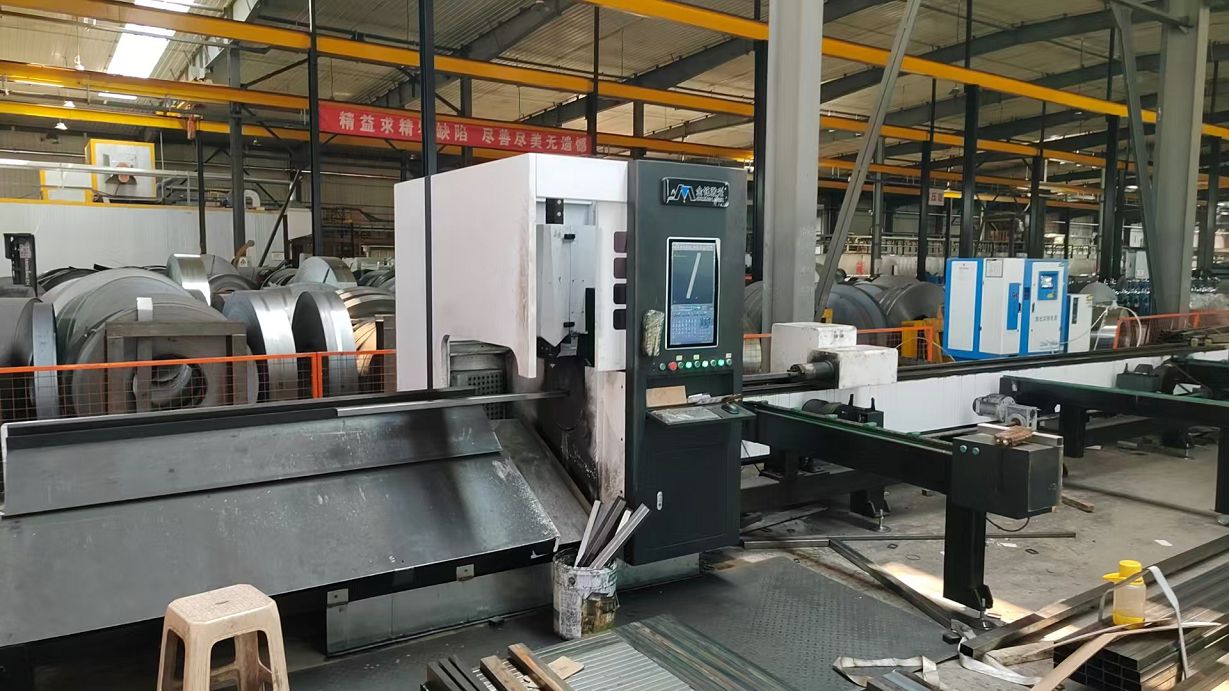
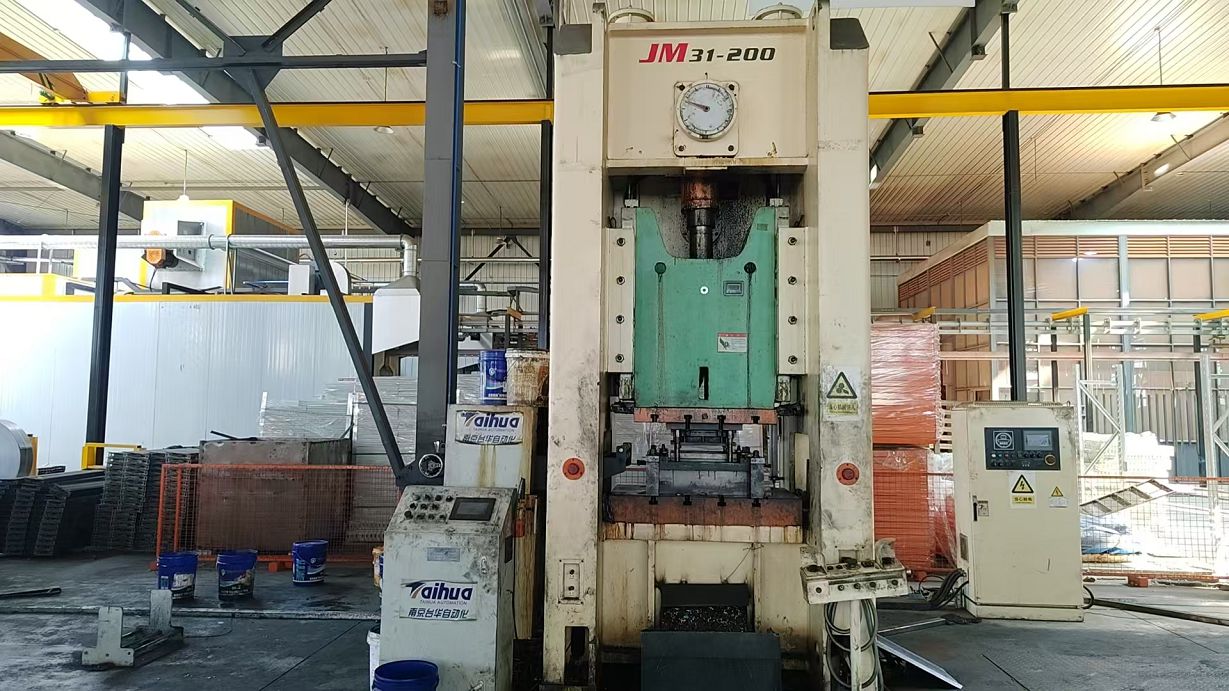
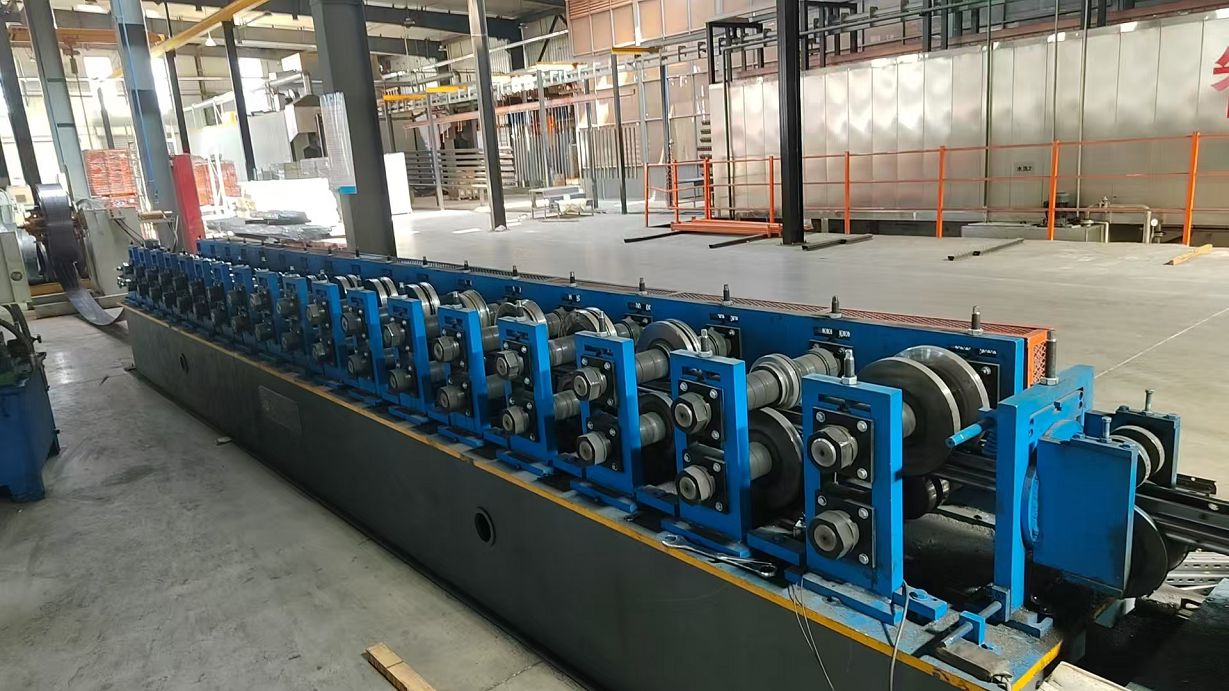
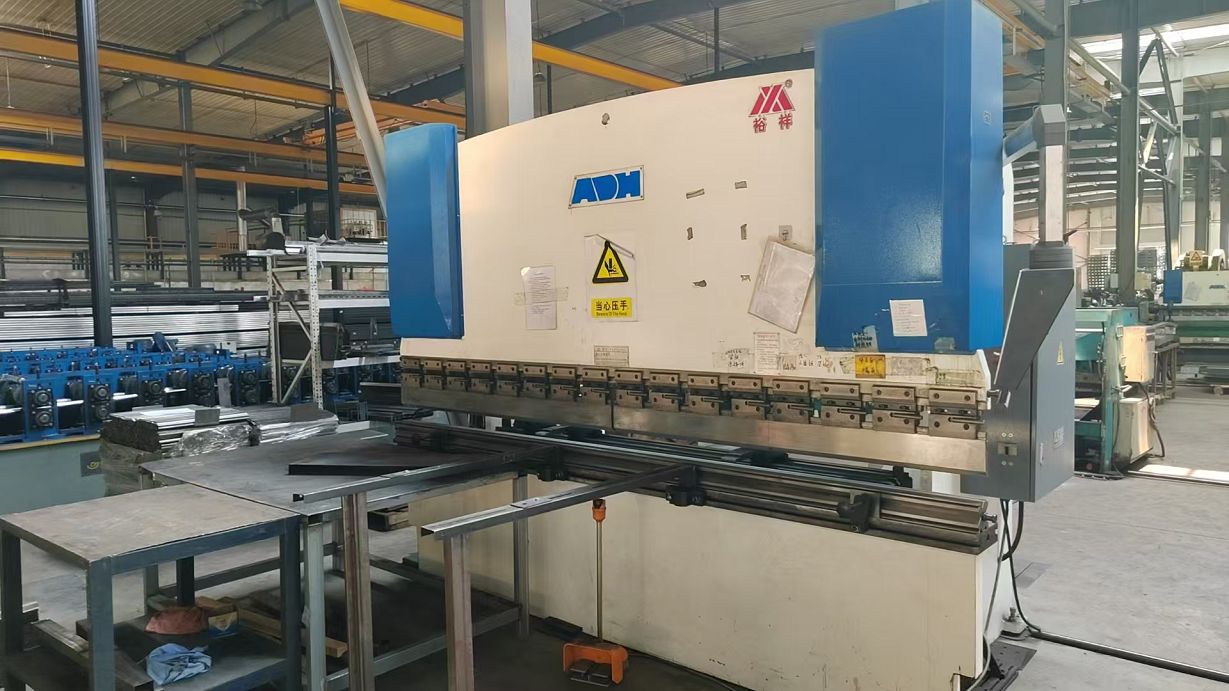
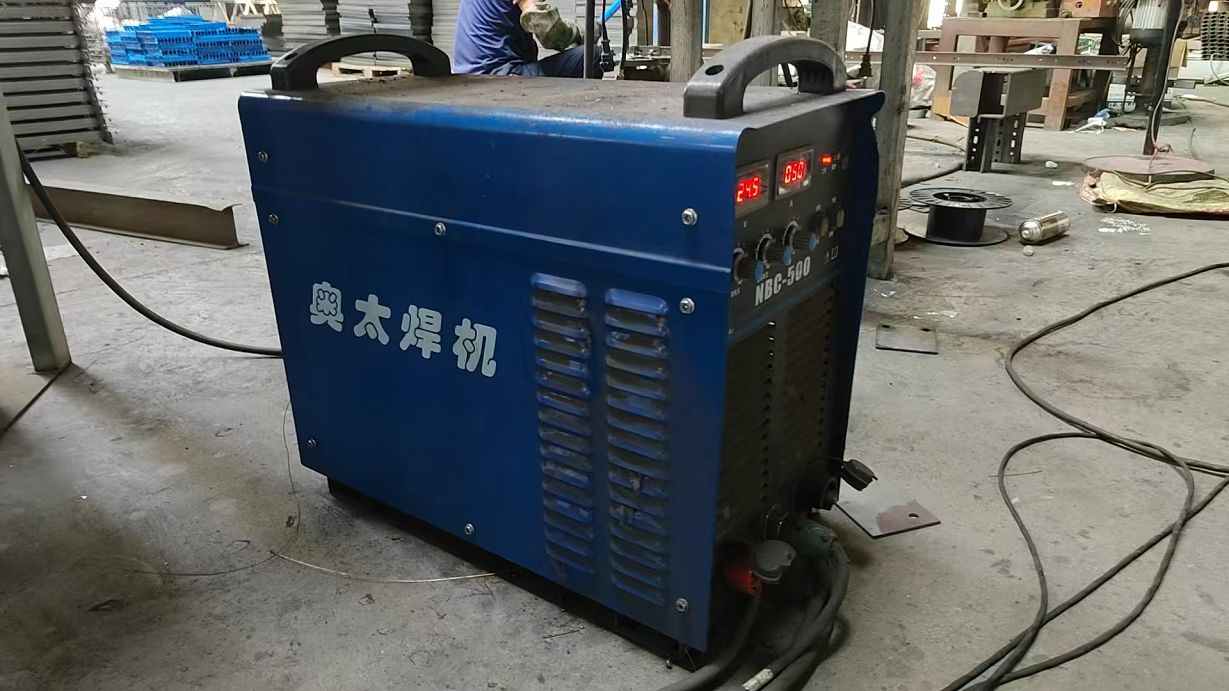
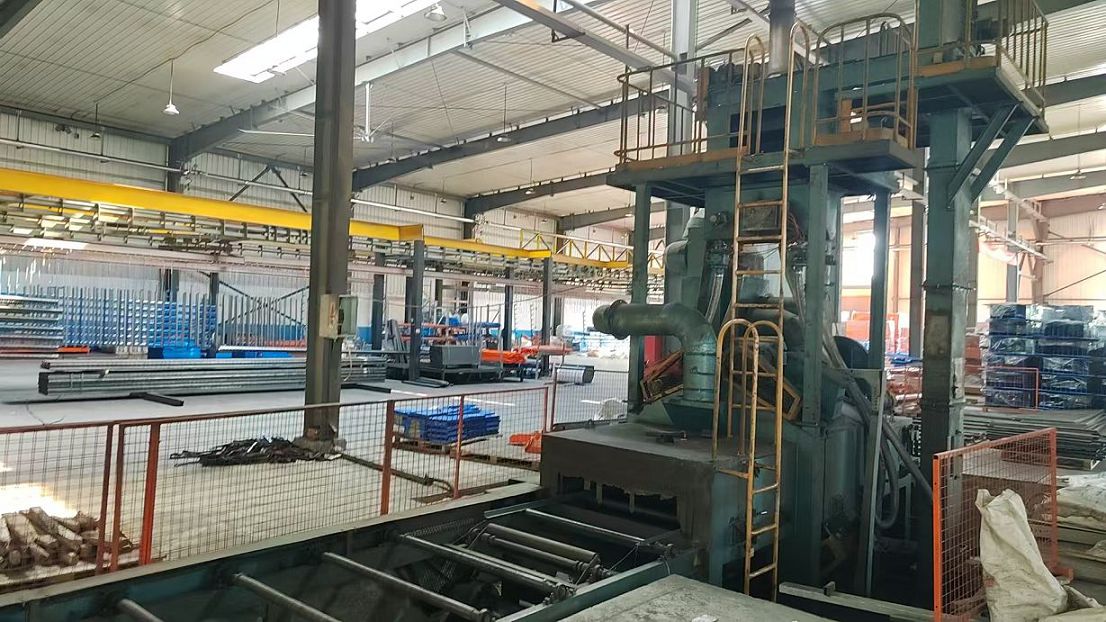
Detailed technical evaluation based on production volume, quality certifications, OEM capability, and structural reliability.
Overview & Strategic Position: CoreStorage is an OEM/ODM powerhouse in heavy-duty commercial display shelving, pallet racking, and specialized retail fixtures. Combining an expansive 22,000 m² automated facility with an annual export output exceeding $15M, CoreStorage stands out for its vertical supply chain integration.
Engineering Innovations: Featuring 18 dedicated R&D engineers, CoreStorage specializes in high-tensile Q235B cold-rolled steel profiling, modular wood-metal hybrid structures, automated robotic seam welding, and CMM stress testing. Their structural engineering allows up to 200kg+ load capacity per shelf layer with zero structural deflection.
Primary Target Markets: Global distribution with dominant market penetration across the Middle East, South America, Eastern Europe, and North America.
Overview: Lozier is a widely recognized brand in the North American retail store fixture sector. Established as an industry mainstay, Lozier produces heavy-duty gondola shelving systems used by large-scale discount chains and supermarkets.
Key Capabilities: Standardized steel gondolas, pegboard backing systems, and high-volume roll-forming production. Their products focus primarily on standard North American store layouts.
Overview: Madix offers store solutions tailored to grocery, pharmacy, and convenience store environments across North America.
Key Capabilities: Adjustable steel shelving, specialty wire fixtures, and customized checkout lanes. They maintain consistent modular standards across traditional retail formats.
Overview: ITAB delivers retail interior solutions, specialized lighting, and checkout systems across the European continent and international markets.
Key Capabilities: Focus on integrated digital solutions, self-checkout kiosks, and premium boutique store design aesthetics.
Overview: Tegometall is a major European producer of metal store shelving units known for high structural precision and standardized European slot dimensions.
Key Capabilities: Automated high-speed punch pressing, galvanized finish options, and heavy-load European standard wall-mounted & freestanding racking.
Overview: Known for ergonomic wire-forming craftsmanship and retail shopfitting components, Kesseböhmer serves premium grocery and specialty display segments.
Key Capabilities: Precision chrome plating, custom wire display baskets, and high-end boutique display racks.
Overview: Serving the Western European market, Gondella manufactures modular shelving systems with extensive powder-coating color variations for supermarkets and DIY stores.
Key Capabilities: Custom powder finishing, versatile modular accessories, and store floor planning support.
Overview: Specializing in custom retail display racks, acrylic hybrid units, and light-duty commercial stands for apparel and electronics stores.
Key Capabilities: Rapid laser cutting, multi-material fabrication, and quick-turnaround prototyping.
Overview: Japanese fixture producer known for compact, space-optimized shelving units engineered for urban convenience stores and mini-marts.
Key Capabilities: Ultra-thin profile steel shelving, high seismic stability engineering, and clean design aesthetics.
Overview: UK-based commercial fixture integrator specializing in bespoke shopfitting and timber-steel hybrid display stands for high-street retail brands.
Key Capabilities: Architectural coordination, custom wood joinery integration, and UK building compliance management.
How tailored structural racking configurations solve operational bottlenecks across diverse commercial environments.
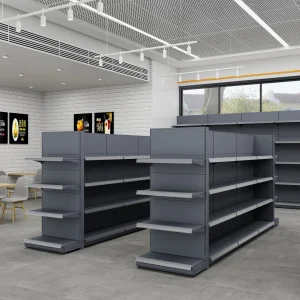
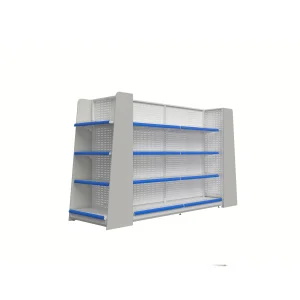
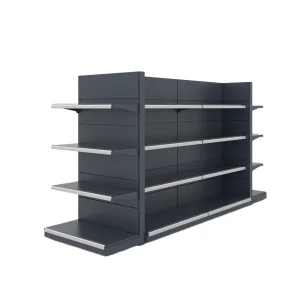
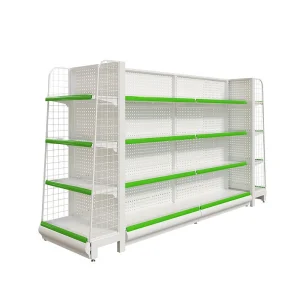
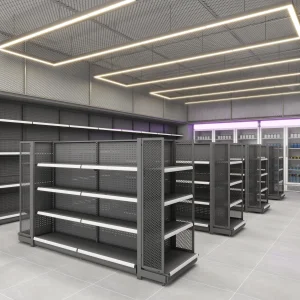
High-traffic grocery retail environments demand heavy load capacities (150kg–200kg per shelf) paired with anti-corrosive powder finishes. CoreStorage double-sided island gondolas provide adjustable upright beam heights to optimize vertical space and maximize sales yield per square meter.
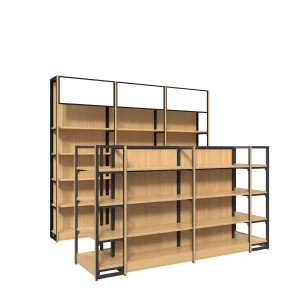
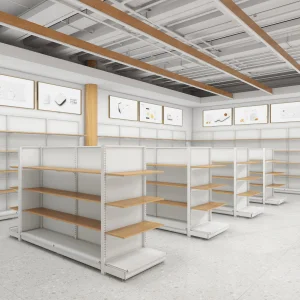
Combining high-tensile steel frames with warm wooden shelf inserts creates a premium aesthetic for luxury wine and liquor stores. Integrated LED lighting channels and reinforced structural supports prevent shelf sagging under heavy glass bottle weight.
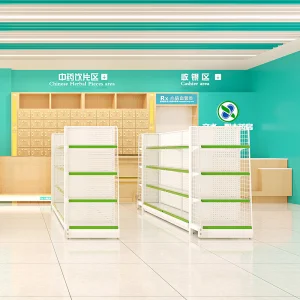
Cleanliness, non-toxic powder coatings, and rapid shelf modularity are critical in pharmaceutical applications. Specialized shallow-depth drug shelves with clear acrylic dividers facilitate fast product access and inventory audits.
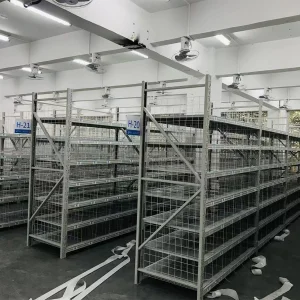
Non-standard storage racks, motorcycle carriers, and cantilever racking systems engineered from Q235B cold-rolled steel handle bulky, irregular inventory. Integrated robot welding ensures fatigue-resistant joints capable of withstanding industrial forklift loading.
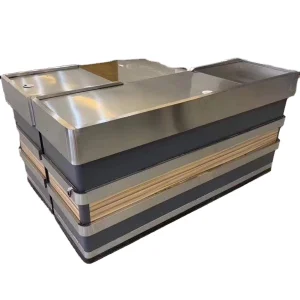
Complete your supply chain requirement with automated warehouse racks, checkout counters, and specialized displays.
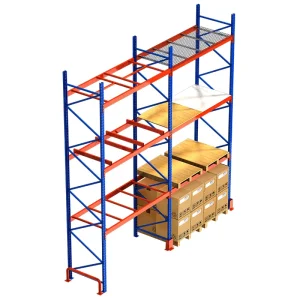
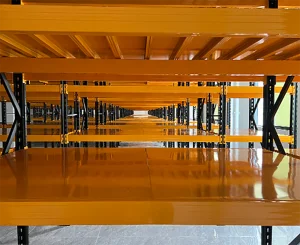
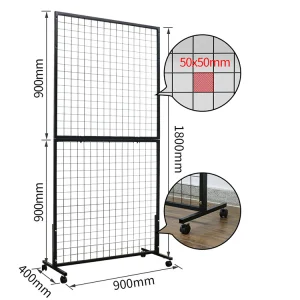
Expert insights on retail fixture selection, material performance, load distribution, and OEM manufacturing workflows.
High-quality commercial retail fixtures primarily utilize Q235B cold-rolled structural steel. Q235B offers superior tensile strength, excellent bendability, and reliable weldability compared to recycled low-grade steel. For high-density warehouse storage systems, Q345 grade steel may be specified to tolerate extreme static and dynamic weight loads.
Automated machinery such as CNC pipe cutters, automated punching presses, and robotic welding stations ensure precise tolerances (+/- 0.1mm). Shot-blasting pretreatment removes surface oxidation before electrostatic powder coating, creating a durable bond that resists scratching, corrosion, and daily commercial wear.
International buyers should look for ISO 9001 Quality Management System compliance alongside CE Structural Safety certification. Rigorous manufacturers conduct CMM automated dimensional scans and load-stress deflection testing to verify that shelves handle rated load limits safely.
Yes. Leading manufacturers offer comprehensive OEM/ODM engineering support. This includes customized upright column profiles, variable beam pitch spacing, specialized powder coating RAL color matching, and integrated materials such as natural wood, acrylic, or tempered glass.
Standard factory production leads times for high-volume orders average 15 to 25 business days depending on design complexity. Integrated global trading hubs manage knock-down (KD) packaging to optimize shipping container space, reducing ocean freight costs per unit.
 CoreStorage